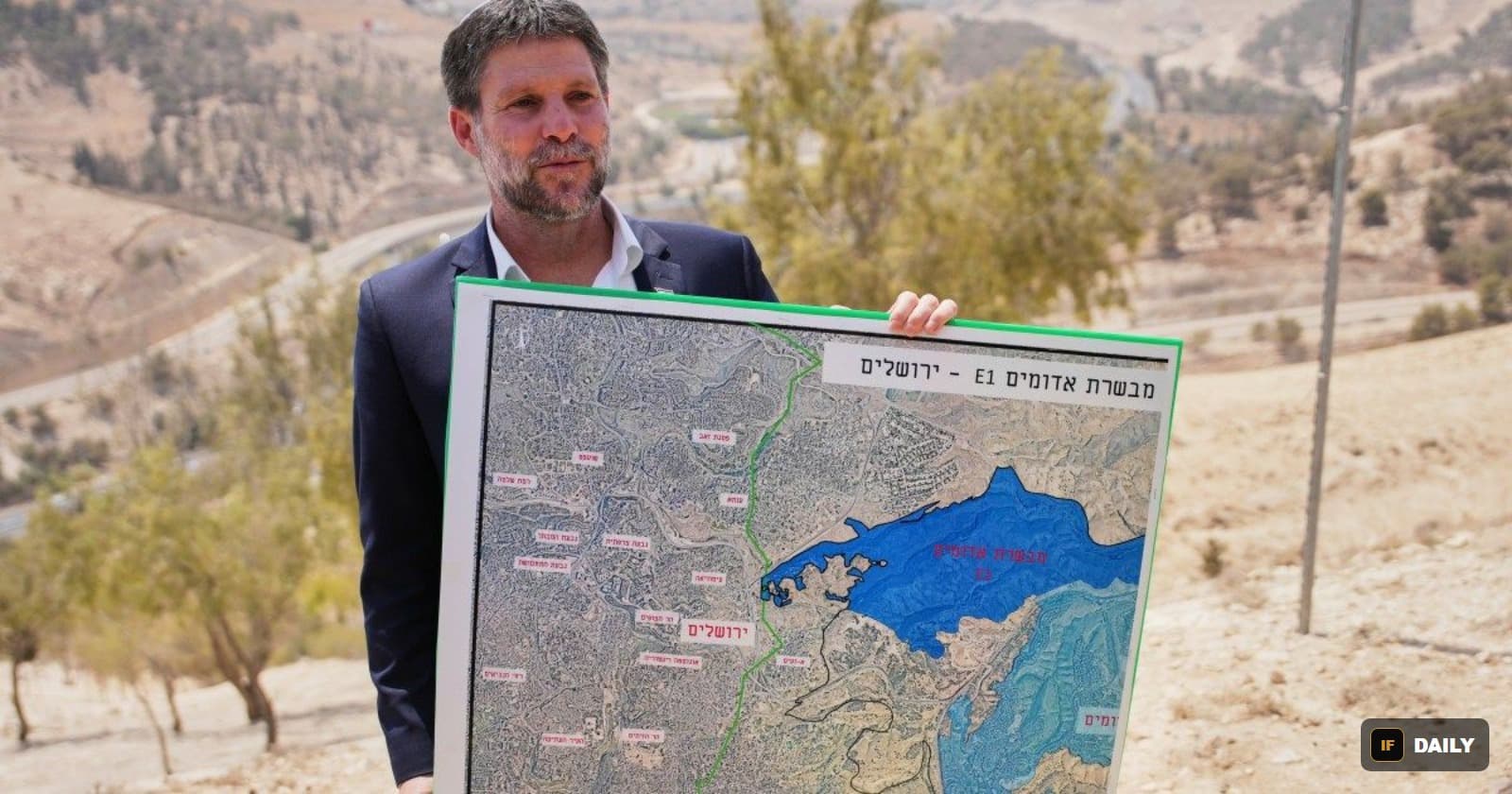
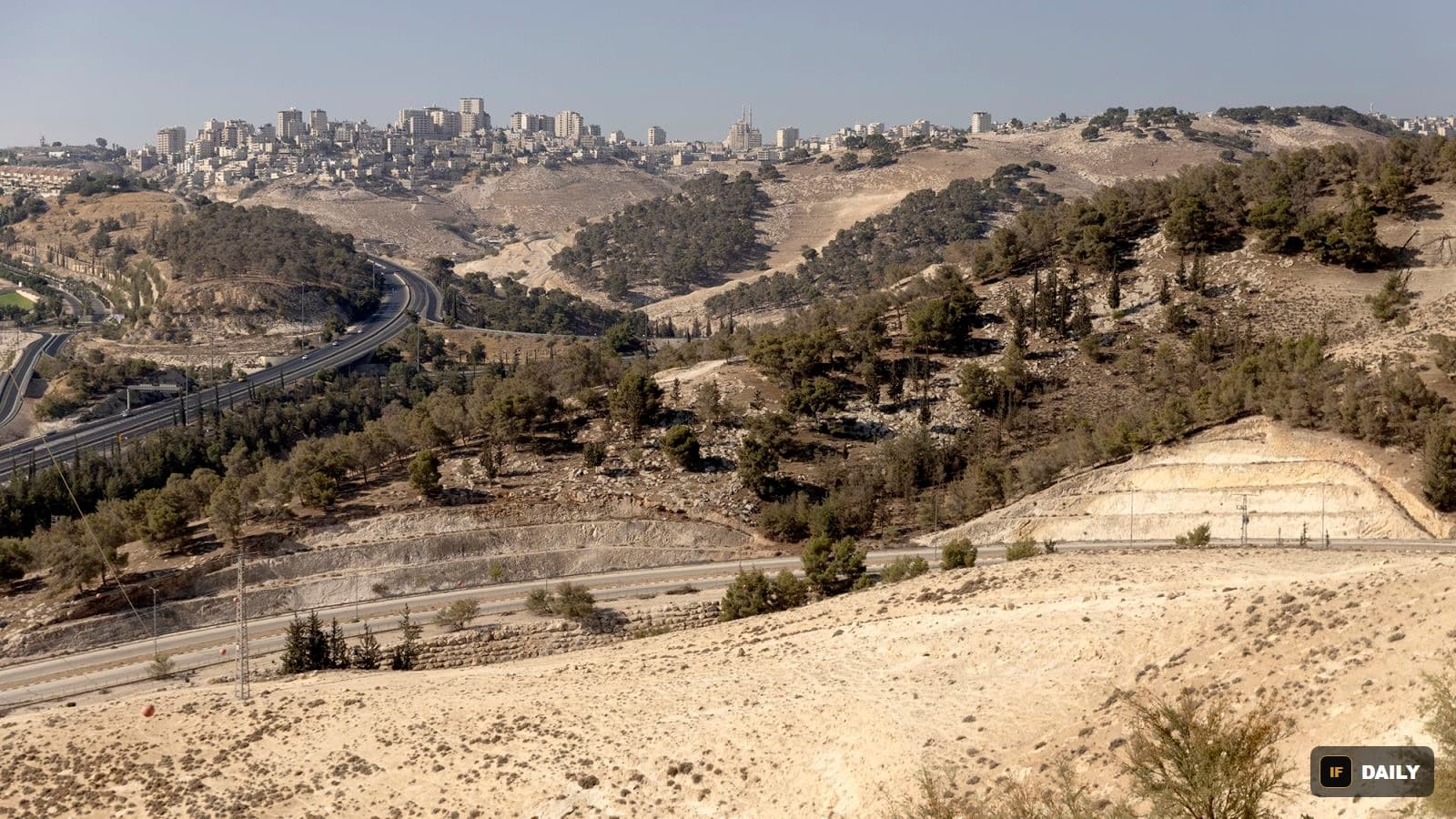
Israel's government has issued a tender inviting construction bids for more than 1,200 housing units in an area known as E1, a long-contested plot of land in the occupied West Bank that critics say would sever Palestinian territory in two and effectively end the possibility of a viable Palestinian state.
What the plan does
The E1 project would link the Israeli settlement of Ma'ale Adumim to East Jerusalem, creating a contiguous built-up area that experts say would cut the West Bank into northern and southern halves and separate East Jerusalem, which Palestinians view as the capital of a future state, from the rest of the territory. More than a dozen Palestinian communities in the area could face displacement as a result, according to reporting on the plan. Israeli Finance Minister Bezalel Smotrich, who first announced the project in August 2025, said it would bury the "idea of a Palestinian state."
International reaction, and a domestic political backdrop
Eight Arab and Muslim-majority nations, including Egypt, Jordan, Saudi Arabia, Turkey and the UAE, jointly called for "immediate action to halt the E1 settlement plan," while 15 European and North American leaders said in a joint statement that the project would "undermine the prospect of the two-state solution by driving a wedge through the West Bank." The United States has opposed formal West Bank annexation but has not directly criticized the E1 tender specifically. Israeli Foreign Minister Gideon Saar dismissed criticism from UK Foreign Secretary Ed Miliband as having a "patronising tone." The bidding deadline falls roughly a week before Israel's general election at the end of October, a timeline analysts say gives the plan added domestic political weight.